
AI Security & Assurance
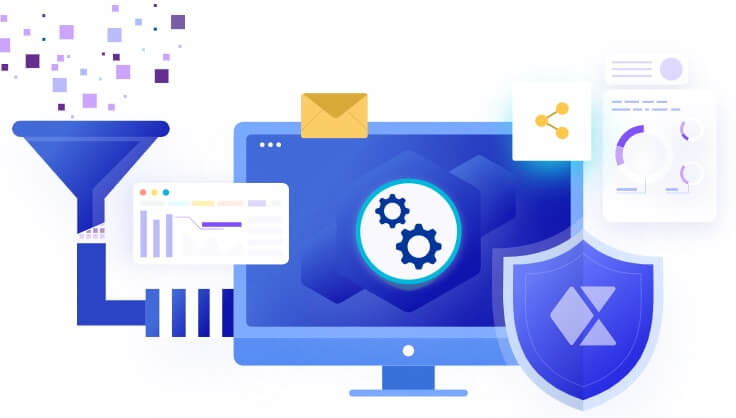
AI is now embedded in business systems, copilots, internal assistants, document generators and customer-facing tools. As adoption grows, so does the need for clarity around control, traceability and risk.
AegisAI is our Secure-by-Design approach to AI assurance. It introduces structured guardrails, logging discipline and continuous testing so AI features remain governed and defensible.
Rather than relying on hope or vendor promises, AegisAI applies clear pre-model checks, controlled policies and auditable records of behaviour.
The result is simple: you can use AI with confidence, knowing there is a defined security architecture around it.
Pre-Model Guardrails
- Review prompts and inputs for sensitive data before they reach the model.
- Detect high-risk patterns such as injection attempts or data extraction queries.
- Apply clear policies: allow, redact or block, based on defined risk thresholds.
- Support different control profiles for development, internal use and production systems.
- Return understandable feedback when requests are restricted.
Traceability & Continuous Testing
- Tamper-evident logging so events cannot be quietly altered.
- Store only necessary evidence while protecting confidential data.
- Structured adversarial testing to evaluate model behaviour under stress.
- Repeatable regression testing when models or prompts change.
- Evidence suitable for internal governance reviews or external assurance.
Typical Use Cases
- Internal AI assistants connected to corporate knowledge bases.
- Customer-facing chat interfaces built on large language models.
- AI-generated documents, reports or correspondence requiring traceability.
- Environments where staff interact directly with generative AI tools.
Why Structured AI Assurance Matters
- AI systems introduce new failure modes that traditional controls do not cover.
- Boards and regulators increasingly expect governance over automated decision-making.
- Customers want evidence that AI use is controlled and monitored.
- Clear architecture reduces reputational and operational risk.
AI security is not about restricting innovation. It is about introducing structure, accountability and proportionate controls so AI can be trusted in real-world systems.
